Coquette Nurse Autumn Fall T-Shirt Review
As an embroidery designer who has spent countless hours digitizing and stitching thousands of files, I have developed a keen eye for what works in the real world versus what merely looks good on a screen. When I first loaded the Coquette Nurse Autumn Fall T-Shirt design into my software, my initial reaction was one of cautious optimism. The market is saturated with generic medical themes, but this specific blend of trendy coquette aesthetics with cozy autumnal elements offers a fresh narrative for healthcare professionals. It is not just a logo; it is a mood. For those of us running small shops or managing craft businesses, understanding how this graphic translates from a digital embroidery file to a tangible, stitched product is crucial before we commit to production.
First Impressions: Mood and Visual Personality
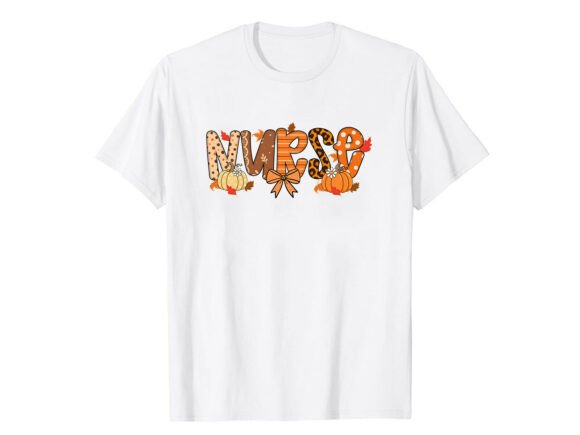
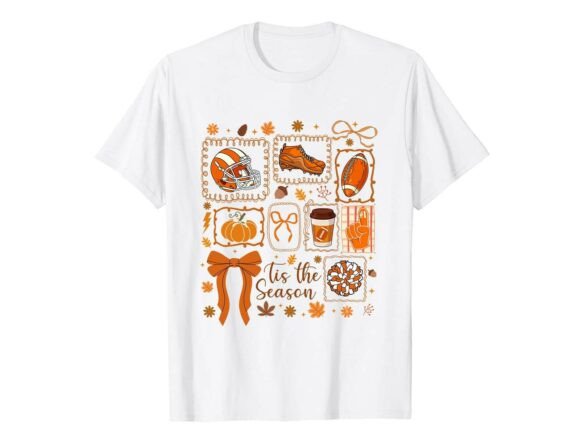
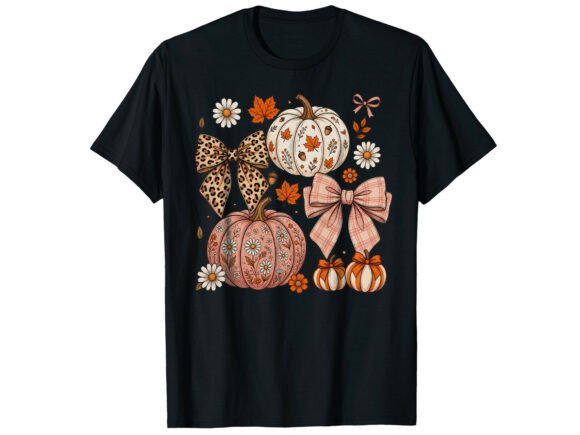
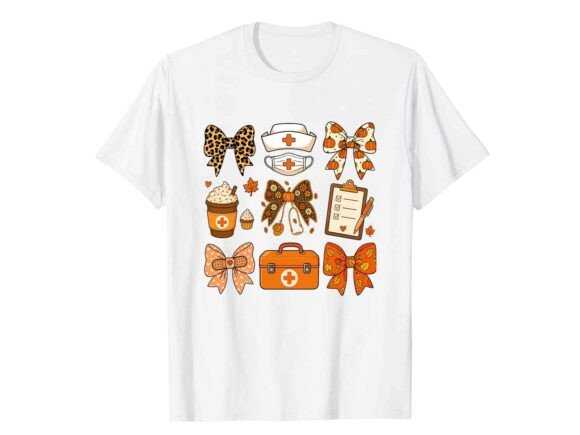
The immediate appeal of this design lies in its softness. Unlike the stark, clinical imagery often associated with nursing, this piece leans into the "cozy" side of healthcare. The inclusion of pumpkins, autumn leaves, and coffee cups alongside traditional medical icons creates a warm, approachable vibe. From a designer’s perspective, the layout feels balanced. The coquette bows add a feminine, playful touch that appeals strongly to the current demographic of nurses who enjoy personalizing their workwear. However, visual balance on a monitor does not always guarantee stitching success. The interplay between the organic shapes of the leaves and the structured lines of the medical symbols requires careful attention to stitch types. If the transition between these elements is too abrupt, the final embroidered patch can look disjointed rather than harmonious.
Real-World Application: Beyond the T-Shirt
While the product title specifies a T-Shirt, my experience suggests that this design has far more versatility when treated as a flexible asset for various handmade products. I recently tested a similar concept on a canvas tote bag for a local nurse’s appreciation event. The result was striking. The earthy tones of the autumn leaves popped against the natural fabric texture, proving that this is not just a seasonal novelty but a viable year-round motif for healthcare gifts.
For Etsy sellers and boutique owners, consider expanding your product line beyond standard apparel. This design works exceptionally well on sweatshirt embroidery, where the thicker fabric supports the weight of the stitches without puckering. It also translates beautifully to aprons, which are practical gifts for nursing students or home-health aides. Even baby embroidery projects, such as onesies for the children of nurses, could utilize a scaled-down version of this graphic, provided the details are simplified. The key is to view the Coquette Nurse Autumn Fall T-Shirt not as a static image, but as a modular design asset that can be adapted for pillow covers, kitchen towels, or even decorative patches for scrub caps.
Technical Considerations for Stitching Success
When moving from a digital preview to the hoop, several technical factors come into play. The most critical aspect of this design is the stitch density. Designs featuring multiple small elements like leaves and bows can become overly dense if not properly optimized. High stitch density on thin fabric, such as a standard cotton t-shirt, can cause pulling and distortion. I strongly recommend using a cut-away stabilizer for any stretchy fabrics to maintain the integrity of the finished product. For woven materials like tote bags or aprons, a tear-away stabilizer may suffice, but always test on scrap fabric first.
Another area requiring attention is the detail level in the smaller icons. Tiny lettering or intricate medical symbols can get lost if the satin stitch width is too narrow or if the thread color contrast is insufficient. I advise reviewing the design in black and white mockups to ensure that each element remains distinct. If the coffee cup blends into the pumpkin due to similar thread colors, the visual clarity suffers. For dark fabrics, ensure that the design includes proper underlay stitches to prevent the background color from showing through the fill stitch areas. This is particularly important for commercial embroidery projects where professionalism and polish are non-negotiable.
Navigating Fabric and Hoop Constraints
Not every surface is suitable for this level of detail. Curved surfaces, such as caps or hats, present a unique challenge. The rigid nature of cap fabric combined with the curve of the brim can distort complex designs. If you plan to use this graphic on headwear, I recommend isolating the central element, such as the coquette bow or the main medical icon, and omitting the surrounding autumn leaves to reduce complexity. Similarly, when working with textured fabrics like fleece or terry cloth, the fine details of the running stitch elements may disappear into the pile. In these cases, opting for an applique design approach, where fabric pieces are stitched down rather than fully filled with thread, can yield a cleaner, more professional look.
Hoop size is another practical constraint. Ensure that your machine’s hoop capacity accommodates the full width of the design without requiring re-hooping, which can lead to alignment issues. If the design is large, verify that your machine can handle the file format and stitch count without memory errors. Always check the specific file formats provided with your purchase to ensure compatibility with your embroidery software.
Commercial Viability and Brand Consistency
For small business owners and creative entrepreneurs, the Coquette Nurse Autumn Fall T-Shirt offers strong commercial potential. The combination of trending aesthetics (coquette bows) with evergreen niches (nursing and fall) creates a high-demand product for holiday embroidery seasons. However, brand consistency is key. If your shop specializes in minimalist designs, this detailed, whimsical graphic might feel out of place. Conversely, if your brand focuses on personalized, heartfelt gifts, this design aligns perfectly with your audience’s expectations.
Customer trust is built on quality. A poorly stitched design can damage your reputation faster than a delayed shipment. By taking the time to test thread colors, adjust tension, and select the appropriate stabilizer, you ensure that every finished product reflects the high standards of your craft business. Use printable mockups to showcase the design on various items in your online listings, giving customers a realistic expectation of the final result. This transparency reduces return rates and increases buyer engagement.
Final Verdict and Designer Notes
In conclusion, the Coquette Nurse Autumn Fall T-Shirt is a charming and versatile addition to any embroidery designer’s library. It captures the spirit of the season while celebrating the nursing profession in a modern, stylish way. However, its success depends entirely on execution. Do not assume that a digital embroidery file is ready for production straight out of the folder. Take the time to understand the nuances of stitch density, fabric interaction, and color contrast.
- Test on scraps: Always stitch a sample on the same fabric type you intend to sell.
- Check licensing: Confirm whether the design allows for commercial use before selling finished items.
- Optimize for fabric: Adjust stabilizers and tension based on whether you are using knit, woven, or textured materials.
- Simplify for curves: Reduce detail when embroidering on caps or curved surfaces.
- Verify details: Zoom in on small elements to ensure they will stitch out clearly at the intended size.
By approaching this design with a critical, experienced eye, you can transform a simple graphic into a high-value handmade product that resonates with customers and stands up to the rigors of daily wear. Whether you are creating a personalized gift for a friend or stocking your Etsy shop for the fall rush, this design has the potential to be a standout piece in your portfolio.