Juneteenth Emancipation Day Design Review
As a designer who has spent years translating digital art into thread, I approach every new asset with a mix of curiosity and caution. We often see graphics marketed broadly, but the transition from a screen to a stitched finished product is where the real test lies. Recently, I evaluated the Juneteenth Emancipation Day Black Americ design to determine its viability for real-world applications. This isn’t just about whether it looks good on a mockup; it is about how it performs under the needle, how it wears after washing, and whether it adds genuine value to a craft business or Etsy seller inventory.
First Impressions and Visual Mood
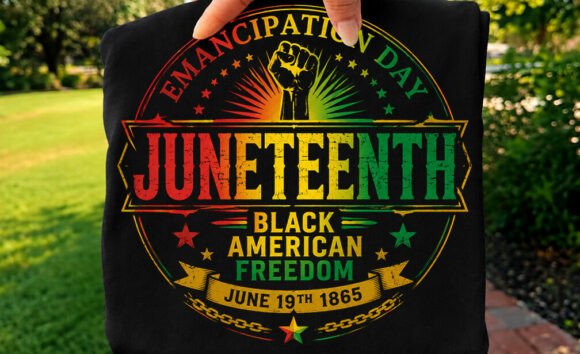
The initial view of the Juneteenth Emancipation Day Black Americ graphic suggests a bold, celebratory intent. Juneteenth is a profound historical moment, and designs honoring this day need to balance reverence with joy. Visually, the layout appears structured to command attention, which is essential for apparel that serves as a statement piece. The theme naturally lends itself to community pride, making it a strong candidate for holiday embroidery projects or year-round educational merchandise.
However, as an experienced reviewer, I look past the colors on the screen. I look at the shapes. Are there tiny, isolated elements that might snag? Is the contrast high enough to be readable from a distance? This design seems to rely on strong silhouettes, which is a positive indicator for stitching. In the world of T-Shirt Designs and Graphics, clarity is king. A muddy design fails both in print and in thread. This particular asset appears to have the visual weight necessary to stand out on various garments, from heavy hoodies to lighter tote bags.
Real-World Application: The Custom Sweatshirt Scenario
To truly test the potential of this design, I imagined a specific client project: a custom order for a local community center hosting a Juneteenth celebration. They requested twenty matching sweatshirts. This is a common scenario for small shop product owners. The goal was to create a unified look that felt professional yet handmade.
In this context, the Juneteenth Emancipation Day Black Americ design would likely serve as the central chest piece or a large back print. For a sweatshirt, the fabric texture is plush and forgiving, which helps hide minor imperfections in stitch placement. However, the density of the design matters. If this were a true machine embroidery design, I would be checking the stitch density carefully. Since this is provided as a high-resolution PNG (4500×5400 pixels at 300 DPI), it is primarily intended for printing or as a reference for digitizing. If you are using this as a printed transfer on embroidered goods, the high DPI ensures crisp edges. If you are digitizing it yourself for embroidery, the clear lines allow for precise conversion into satin stitch borders and fill stitch backgrounds.
The reaction from customers in such a scenario is usually driven by emotional connection. A well-executed design on a quality garment becomes a personalized gift that people cherish. It signals that the buyer supports the cause and values the aesthetic. For an Etsy seller, offering this as part of a curated collection can significantly boost brand consistency and trust.
Navigating Fabric and Hoop Constraints
Not every surface is created equal. While the design looks striking digitally, applying it to physical products requires strategic thinking. Here is where practical judgment comes into play.
- Curved Surfaces: Placing this on a cap or hat requires careful consideration of the hoop size. If the design is wide, it may distort on the curved front panel of a baseball cap. I would recommend testing a smaller version or ensuring the digitization accounts for the pull of the fabric.
- Thin Fabrics: On a lightweight t-shirt or a silk blend, heavy stitching can cause puckering. If you are converting this graphic into an embroidery file, you must use a cut-away stabilizer to support the weight of the thread. Without proper stabilization, the fabric will warp, ruining the handmade product presentation.
- Dark vs. Light Backgrounds: The color palette of Juneteenth designs often includes red, black, and green. On dark fabrics, you may need to add an underlay or use lighter thread colors for outlines to ensure visibility. Always test your thread colors against the specific fabric stock you plan to use.
For items like tote bag design projects, the canvas material is sturdy and ideal for dense designs. An embroidered patch made from this graphic could also be a versatile addition to your inventory, allowing customers to iron or sew it onto existing jackets or bags, expanding the utility of the design assets.
Commercial Viability and Professional Standards
For those running a commercial embroidery operation or selling digital embroidery file derivatives, professionalism is non-negotiable. The Juneteenth Emancipation Day Black Americ graphic provides a solid foundation, but the final output depends on your execution. Buyers engage with products that look clean, durable, and thoughtful.
When listing this as a custom apparel item, high-quality photography is essential. Use printable mockup tools to show the design in situ, but always supplement these with photos of the actual stitched or printed item. Show the texture. Show the back of the hoop if it’s embroidery. This transparency builds customer trust and reduces return rates.
Furthermore, consider the longevity of the product. Will the design crack or fade? If you are printing the PNG directly, ensure you are using high-quality DTG (Direct to Garment) or vinyl methods. If embroidering, ensure your tension settings are correct to prevent thread breakage. A baby embroidery item, for instance, must be soft against the skin; avoid dense backing materials that might irritate sensitive skin.
Practical Designer Notes for Best Results
Before you commit to a large production run or list this as a new item in your small business merchandise lineup, take these practical steps:
- Test on Scrap Fabric: Never stitch or print directly on your final garment without a test run. Use a similar fabric weight and texture to check for alignment and color accuracy.
- Check Resolution and Scale: The file is 4500×5400 pixels at 300 DPI, which is excellent for printing. Ensure you scale it correctly for your specific embroidery project dimensions. Do not enlarge beyond its native resolution if you are printing, as this causes pixelation.
- Verify Licensing: The product description mentions it is a PNG file for T-shirt designs. Confirm whether the license allows for commercial use of the printed or stitched final product. Most digital marketplaces allow you to sell the physical item you create, but you cannot resell the digital file itself unless specified.
- Contrast Check: View the design in black and white on your screen. This helps you identify if the shapes are distinct enough. If the details merge in grayscale, they may lack definition when stitched with similar thread tones.
- Stabilizer Selection: Match your stabilizer to your fabric. Knit fabrics need stretch support; woven fabrics need tear-away or cut-away depending on the stitch density.
In conclusion, the Juneteenth Emancipation Day Black Americ design offers a meaningful and visually strong option for creators. Whether you are making a wedding gift for a culturally conscious couple, stocking up for a holiday sale, or creating boutique branding materials, this graphic holds potential. Success lies in the details: proper preparation, respectful execution, and a keen eye for quality. By treating this asset with the professional rigor it deserves, you can create products that resonate deeply with your audience and stand the test of time.