Review: Graduation Cap Some Have a Story We Made
As an embroidery designer who has spent countless hours digitizing and testing files for real-world application, I approach every new machine embroidery design with a critical eye. It is not enough for a graphic to look good on a screen; it must hold up under the needle, survive the wash cycle, and resonate with the end customer. Recently, I evaluated Graduation Cap Some Have a Story We Made, a digital asset that promises to capture the sentimental weight of academic milestones. This review breaks down how this design performs in actual production environments, from small home studios to commercial craft businesses.
First Impressions and Visual Personality
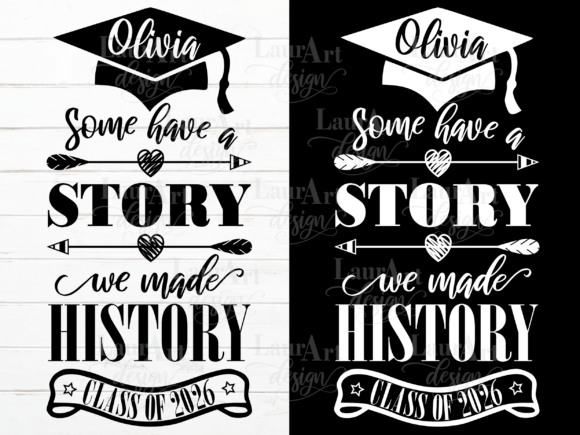
The first thing that strikes you about Graduation Cap Some Have a Story We Made is its narrative quality. Unlike generic graduation icons that rely solely on the mortarboard silhouette, this piece integrates text and imagery to create a cohesive emotional message. The layout suggests a balance between decorative elements and legible typography, which is crucial for T-Shirt Designs and apparel where readability is key from a distance.
The mood is celebratory yet reflective. For embroidery designers, this duality presents both an opportunity and a challenge. The design feels suited for keepsake items rather than fleeting trends. When I visualized this as a finished product, I immediately thought of heirloom-quality pieces. It does not scream for attention with neon brightness but rather invites closer inspection, making it ideal for personalized gifts where the recipient’s journey is being honored.
Real-World Application: The Custom Tote Scenario
To truly test the viability of any embroidery file, I mentally place it on various substrates. Let us consider a common request for Etsy sellers: a custom canvas tote bag for a graduate’s family members. Canvas is a sturdy, woven fabric that generally handles stitch density well. However, the texture can interfere with fine details.
In this scenario, Graduation Cap Some Have a Story We Made would need careful handling. If the design relies heavily on thin running stitch outlines for the text, they might get lost in the weave of heavy canvas. Conversely, if the cap element uses a solid fill stitch, it provides a nice contrast against the textured background. I envision this working beautifully on a natural-colored tote, using deep navy or black thread for the text to ensure high contrast. The result would be a sophisticated, boutique-style accessory that feels substantial and valuable, far exceeding the perceived value of a printed alternative.
Apparel and Fabric Considerations
Moving from totes to apparel, the dynamics change. For sweatshirt embroidery, the plush surface of fleece or French terry requires adjustments. A design like this, which likely contains both iconic shapes and lettering, must be checked for stitch density. Too dense, and the fabric will pucker; too sparse, and the backing stabilizer might show through.
If you are applying this to a custom apparel item like a hoodie, I recommend using a cut-away stabilizer to support the weight of the stitches over time. The curvature of a sleeve or chest area also matters. If the text in Graduation Cap Some Have a Story We Made is long, ensure it fits within your standard hoop sizes without requiring excessive re-hooping, which can lead to alignment errors. For baby embroidery projects, such as a onesie or blanket, you must verify that the thread colors are soft and the stitch count is not so high that it creates a stiff, uncomfortable patch on delicate skin.
Technical Challenges and Stitching Clarity
One of the most critical aspects of reviewing Graphics for embroidery is anticipating technical failures. Text-based designs are notoriously tricky. Small serifs or tight kerning can turn into a blob of thread if the digitizer did not account for thread pull. Since this product is a digital item with no fonts included, we assume the text is already digitized into the file. However, you must inspect the preview closely.
Look for potential "travel stitches" that might cross open spaces unnecessarily. Check if the transition from the cap icon to the text flows logically. In my experience, designs that mix illustrative elements with slogans often suffer from inconsistent stitch directions. A well-digitized file will align the grain of the satin stitch borders with the flow of the design, enhancing the visual appeal. If you are working with dark fabric, ensure that the design does not have large gaps where the underlying fabric color might disrupt the intended aesthetic. Testing on scrap fabric is non-negotiable here.
Navigating Licensing and Commercial Use
For Etsy sellers and small shop product creators, understanding the license is as important as the stitch count. The product description for Graduation Cap Some Have a Story We Made clearly states: "This is a digital item." It includes a kind reminder that when used on physical products, you should watermark the design in previews, and digital resale is not allowed. This is standard and fair practice.
It means you can stitch this onto a pillow cover, apron, or cap and sell the physical item. You cannot, however, share the digital embroidery file itself or include it in a bundle of design assets for others to use. Always respect these boundaries to maintain professionalism and trust within the creative community. If you are creating printable mockup images for your store, ensure the design is obscured or watermarked to protect your intellectual property and comply with the creator's terms.
Enhancing Product Value and Customer Trust
Why choose this specific design over a free alternative? The answer lies in perceived value. A thoughtful, well-balanced design like Graduation Cap Some Have a Story We Made elevates a simple garment into a personalized gift. Customers are willing to pay more for items that feel curated and meaningful. When a buyer sees this design on a holiday embroidery gift list or a graduation present, they see effort and care.
For commercial embroidery projects, consistency is key. If this design fits your brand’s aesthetic—perhaps clean, modern, and sentiment-driven—it can become a staple in your seasonal offerings. It works well for embroidered patch creation, where the edges can be finished with a dense satin border for durability. Patches are versatile; they can be ironed onto jackets, bags, or hats, expanding the utility of the design beyond direct stitching.
Practical Designer Notes for Best Results
Before you load this file into your machine, take these practical steps to ensure success:
- Test on Scrap Fabric: Always run a test stitch-out on the same type of fabric you intend to use for the final product. This reveals issues with tension and density.
- Check Thread Contrast: Verify that your chosen thread colors stand out against the fabric. High contrast improves readability, especially for the textual elements of the design.
- Review Stabilizer Choice: Match your stabilizer to the fabric. Use tear-away for stable woven fabrics and cut-away for knits and stretchy materials to prevent distortion.
- Inspect Small Details: Zoom in on the digital preview. Are there tiny elements that might break or bunch up? If so, consider simplifying or removing them if your software allows edits.
- Confirm Hoop Size: Ensure the design dimensions fit comfortably within your hoop, leaving enough margin for clamping without stitching over the hoop edges.
- Watermark Your Previews: As per the license reminder, always watermark images of the design when showcasing your craft business listings online to prevent unauthorized digital copying.
In conclusion, Graduation Cap Some Have a Story We Made is a promising asset for designers who value storytelling in their work. It requires thoughtful execution regarding fabric choice and stabilization, but when done correctly, it produces a high-quality, emotionally resonant product. Whether you are creating a tote bag design for a local boutique or a custom sweatshirt for a family member, this design offers the versatility and depth needed for professional-grade results. Treat it with the technical respect it deserves, and it will serve your embroidery project well.