Review: Whimsical Teddy Bear Clipart for Embroidery
As a designer who spends more time staring at stitch simulations than I do sleeping, I have learned that not every cute graphic translates well to thread. We have all been there: you find an adorable illustration, imagine it perfectly centered on a baby onesie or a boutique tote bag, and then reality hits. The details blur, the fabric puckers, or the design simply loses its charm when converted from pixels to stitches. That is why I approach new assets with a critical eye, looking beyond the initial "aww" factor to determine if they are truly viable for real-world production.
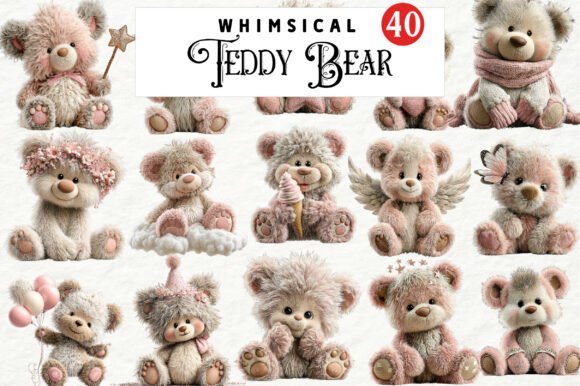
I recently evaluated the Whimsical Teddy Bear Clipart collection for potential use in my upcoming line of handmade nursery decor and custom apparel. This set includes 40 PNG files at 300 dpi with transparent backgrounds, ready to print at 12 inches by 12 inches. While these are technically digital graphics and illustrations rather than native machine embroidery files, their utility for the modern embroiderer—especially those using digitizing software or hybrid print-and-stitch methods—is significant. Here is my practical breakdown of how this whimsical teddy bear clipart performs when moved from the screen to the hoop.
First Impressions: Mood and Visual Personality
The immediate appeal of this collection lies in its softness. The keyword "whimsical" is not just marketing fluff here; the shapes are rounded, approachable, and devoid of harsh angles. For an embroidery project, this is a massive advantage. Sharp corners and intricate, spiky details are the enemies of clean stitching, often requiring excessive underlay or resulting in messy pull compensation. These teddy bears, with their plush, cartoon-like aesthetic, feature smooth curves that naturally lend themselves to satin stitches and smooth fill stitches.
The visual personality is undeniably cuddly and soft. When I viewed the designs at full size, I noticed a balanced level of detail. They are not so simplistic that they look amateurish, nor so complex that they would require hours of digitizing cleanup. This balance is crucial for maintaining efficiency in a craft business. Whether you are an Etsy seller looking to speed up your workflow or a hobbyist wanting a professional finish without the headache, the layout of these bears suggests a high success rate for translation into thread.
Real-World Application: From Digital Asset to Finished Product
To test the viability of the Whimsical Teddy Bear Clipart, I imagined several specific scenarios common in small shop products and commercial embroidery. The most obvious application is baby embroidery. The gentle, toy-like appearance of the bears fits seamlessly onto muslin swaddle blankets, bibs, and infant caps. Because the designs are provided as high-resolution PNGs, they are perfect for creating printable mockups to show clients before you even touch the machine. This helps in securing custom orders for personalized gifts.
Another strong use case is sweatshirt embroidery. A larger hoop size allows you to scale one of the central bear figures to a prominent chest position. The cartoon style holds up well on the textured surface of fleece or French terry cloth. However, I would advise caution with very dense fill stitches on thick fabrics. If you are digitizing these graphics yourself, consider reducing the stitch density slightly to prevent the garment from becoming stiff or board-like. The goal is to maintain that "soft" feeling implied by the design.
For tote bag designs, these illustrations work beautifully as applique designs. You could use the outline of the bear to cut a contrasting fabric shape, then use a satin stitch to secure the edges. This method reduces stitch count significantly, speeds up production time, and adds a tactile, layered dimension to the finished product. It is a smart strategy for anyone running a craft business where time is money.
Technical Considerations and Fabric Compatibility
While the aesthetic is charming, we must address the technical realities of using raster graphics like PNGs in embroidery. Since these are not native embroidery files, you will need to digitize them or use them as reference images. When working with the Whimsical Teddy Bear Clipart, pay close attention to the small details. Tiny features, such as the eyes or nose of the bear, can get lost if the stitch length is too long or if the fabric texture is too coarse.
Fabric choice plays a pivotal role here. On dark fabrics, ensure you have sufficient contrast in your thread colors. A light brown bear on a navy blue shirt might look muddy if the tones are too similar. I always recommend testing the design on scrap fabric first, ideally in both light and dark variations. This simple step saves you from ruining expensive blanks. Additionally, when stitching on stretchy fabrics like jersey knits for t-shirts, a proper stabilizer is non-negotiable. The weight of the thread can distort the fabric if not supported correctly, ruining the crisp lines of the cartoon bear.
Curved surfaces, such as caps or hats, present another challenge. The 12-inch by 12-inch readiness of these files means they are large, but you will likely be scaling them down for headwear. Ensure that the scaled-down version still retains its clarity. If the bear’s features become too small, they may merge into a blob of thread. In such cases, simplifying the design by removing minor decorative accents might be necessary to maintain stitching clarity.
Enhancing Brand Value and Customer Trust
Using high-quality assets like the Whimsical Teddy Bear Clipart directly impacts the perceived value of your handmade product. Customers can spot a low-resolution or poorly executed design from a mile away. A clean, well-stitched bear conveys professionalism and care, which builds trust. For boutique branding, consistency is key. If these bears fit your shop’s aesthetic, they can become a recognizable signature element across your range of items, from kitchen towels to holiday embroidery specials.
Moreover, the versatility of having 40 different files allows for variety without sacrificing cohesion. You can offer customers choices—perhaps a bear holding a heart for Valentine’s Day or one with a bow for a birthday gift. This variety enhances buyer engagement and can increase average order value. When you present a polished, cohesive collection of designs, you position yourself not just as a crafter, but as a serious creative entrepreneur.
Practical Designer Notes for Best Results
- Digitizing Strategy: Since these are PNG graphics, use them as a background layer in your digitizing software. Trace over the main shapes with manual tools rather than relying solely on auto-digitize functions to ensure optimal stitch placement.
- Stitch Types: Utilize satin stitches for outlines and smaller details to create definition. Use fill stitches for the body of the bear, but keep the density moderate to preserve fabric drape.
- Color Testing: Always check your thread color combinations against the actual fabric. A design that looks great on screen might lack contrast in real life.
- Licensing Check: Before selling finished items or using these in commercial embroidery projects, confirm the licensing terms provided with the download. Ensure you have the right to use the graphics for commercial purposes.
- Mockups: Use the high-resolution PNGs to create realistic digital mockups for your Etsy listings or website. This helps customers visualize the final embroidered patch or apparel item.
In conclusion, the Whimsical Teddy Bear Clipart is a robust resource for designers and makers. Its strength lies in its adaptable, soft aesthetic that translates well to the medium of thread when handled with care. By respecting the technical limitations of embroidery and leveraging the high quality of these graphics, you can create stunning, sellable products that delight customers and elevate your brand. Whether you are creating a single personalized gift or stocking your small shop with inventory, these designs offer a solid foundation for creative success.