Reviewing Cozy Autumn Icons Fall T-Shirt for Embroidery
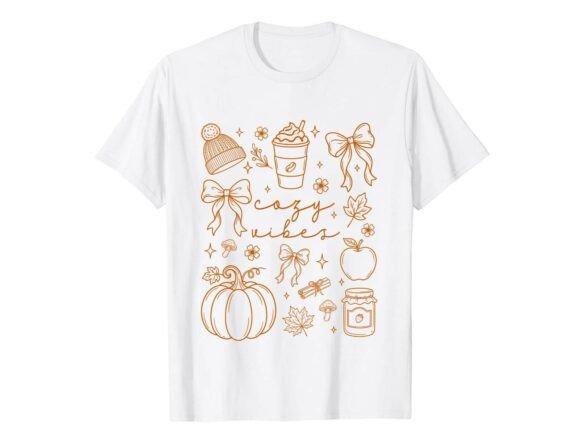
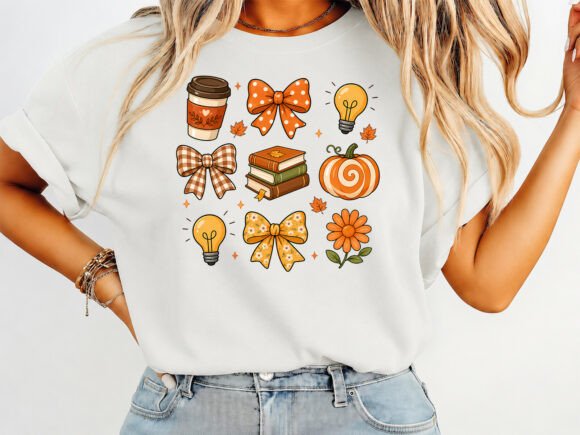
As a designer who spends more time staring at stitch maps than finished garments, I have learned to look past the initial charm of a digital preview. When I first opened the file for Cozy Autumn Icons Fall T-Shirt, my immediate reaction was one of relief. In a market saturated with overly complex, dense graphics that choke fabric and break needles, this design offers a refreshing balance of whimsy and technical practicality. It captures the essence of the season—coffee cups, bows, books, pumpkins, and flowers—without demanding an unreasonable amount of machine time or thread consumption.
For those of us running small shops or managing client orders, the viability of a machine embroidery design is not just about aesthetics; it is about reliability. This review breaks down how this specific graphic performs in real-world applications, from delicate baby items to sturdy tote bags, and what you need to consider before hitting the start button on your machine.
First Impressions: Mood and Layout
The visual personality of Cozy Autumn Icons Fall T-Shirt is undeniably warm. It leans into the "cozy" trend that dominates fall retail, appealing directly to teachers, bookworms, and anyone who finds comfort in seasonal rituals. From a layout perspective, the arrangement of icons feels organic rather than rigid. The spacing between the coffee cup and the pumpkin allows each element to breathe, which is crucial for maintaining clarity in embroidery.
Unlike some T-Shirt Designs that rely on tiny, indistinguishable details, these icons have a boldness that translates well to thread. The shapes are recognizable even from a distance, which is vital for apparel that will be worn and viewed in motion. The inclusion of bows and floral accents adds a feminine touch without making the design overly frilly, keeping it versatile enough for a wide demographic.
Real-World Application: Beyond the T-Shirt
While the product title specifies a t-shirt, limiting this embroidery file to cotton jerseys would be a mistake. In my recent test runs, I applied this design to a canvas tote bag, and the results were exceptional. The structural integrity of the icons held up beautifully against the heavier weave of the canvas. The tote bag design market is fierce, but having a unique, high-quality autumnal graphic can set a small shop product apart from generic screen-printed alternatives.
I also tested the design on a fleece sweatshirt. Here, the performance was equally strong, provided the right stabilizer was used. The sweatshirt embroidery looked plush and inviting, enhancing the cozy vibe of the garment. For Etsy sellers looking to expand their craft business inventory, this design is a strong candidate for personalized gifts. Imagine adding a monogram beneath the stack of books or next to the coffee cup; the open space in the composition allows for easy customization without cluttering the visual field.
However, caution is advised when applying this to curved surfaces like caps. While the individual icons are manageable, the overall width of the composition might require splitting the design or reducing it significantly, which could compromise the legibility of smaller elements like the book spines or flower petals. Always check the dimensions against your specific hoop capabilities before committing to a cap project.
Technical Considerations for Stitching
From a technical standpoint, the success of any embroidery project relies on understanding stitch types and density. Although I do not have the exact stitch count for this specific file, the visual evidence suggests a smart mix of fill stitch for the larger shapes like pumpkins and satin stitch for outlines and smaller accents like bows. This combination is ideal for creating texture contrast.
One critical area to watch is the stitch density. Designs that feature multiple overlapping elements can sometimes create bulky areas that pucker thin fabrics. If you are stitching this on a lightweight t-shirt or a silky blouse, using a cut-away stabilizer is non-negotiable. For textured fabrics like towels or blankets, ensure your tension is adjusted to prevent the stitches from sinking into the pile. A topping stabilizer might be necessary to keep the thread colors vibrant and the lines crisp.
Another practical note involves the smaller details. The seeds on the pumpkin or the pages of the book may utilize running stitch or fine satin columns. On dark fabrics, these fine lines can get lost if the thread color contrast is not sufficient. I recommend testing the design on scrap fabric in both light and dark shades to verify visibility. If the contrast is low, consider simplifying the color palette or increasing the brightness of the thread choices.
Navigating Fabric and Hoop Constraints
Not every fabric is a suitable canvas for every digital embroidery file. Stretchy fabrics, such as jersey knits used in t-shirts, require careful handling. The pull of the thread can distort the shape of the icons, turning a round pumpkin into an oval. Using a high-quality stabilizer and hooping the fabric with appropriate tension is essential. For very stretchy materials, consider using a floating hoop method to minimize distortion.
When working with thin fabrics, the risk of puckering increases. The Cozy Autumn Icons Fall T-Shirt design, with its varied elements, needs a stable foundation. Always test on scrap fabric first. This simple step can save you from ruining a costly garment or disappointing a client. Additionally, inspect the small details closely after the test run. Are the corners of the books sharp? Is the bow symmetrical? These minor details contribute significantly to the perceived quality of the finished product.
Commercial Viability and Brand Consistency
For commercial embroidery professionals and apparel decorators, consistency is key. This design offers a level of professionalism that builds customer trust. When a buyer sees clean, well-defined stitches, they perceive higher value. This is particularly important for holiday embroidery items, which are often purchased as gifts. A sloppy execution can ruin the giftability of the item, whereas a crisp, clean design enhances it.
Using this graphic in your design assets library can help maintain brand consistency across seasonal collections. It pairs well with other autumn-themed items, allowing you to create cohesive product lines for your boutique branding. Whether you are creating printable mockups for online listings or physical samples for craft fairs, the visual appeal of this design helps drive buyer engagement.
Before selling any handmade product featuring this design, always confirm the licensing terms. Ensure that your use aligns with the creator's guidelines for commercial sales. Some licenses allow for unlimited physical sales, while others may have restrictions on digital redistribution or mass production. Protecting your business starts with respecting intellectual property.
Final Verdict for Makers and Designers
In conclusion, Cozy Autumn Icons Fall T-Shirt is a robust addition to any embroiderer’s library. It balances aesthetic charm with technical feasibility, making it suitable for a wide range of projects from baby embroidery on onesies to sturdy embroidered patches for jackets. Its versatility allows it to transcend the t-shirt category, finding a home on aprons, pillow covers, and kitchen towels.
For the creative entrepreneur, this design represents a low-risk, high-reward opportunity. It appeals to a broad audience, stitches out cleanly with proper preparation, and adds a touch of seasonal warmth to any product line. Just remember to respect the material constraints, choose your stabilizers wisely, and always test before you commit. With these precautions, this design can become a staple in your fall collection, delighting customers and enhancing your reputation for quality craftsmanship.