Reviewing Run Your Own Race Vector Design for Embroidery
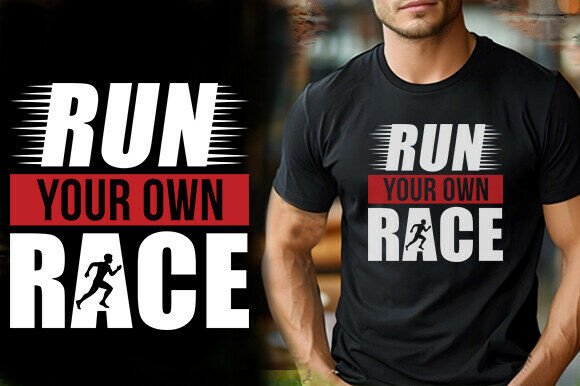
As a designer who spends half my life digitizing and the other half stitching, I have learned that not every graphic translates well to thread. We often see stunning T-Shirt Designs on screen that turn into messy, puckered disasters once the needle hits the fabric. That is why I took a close, practical look at the RUN YOUR OWN RACE VECTOR TSHIRT DESIGN. This is not just about whether it looks good on a mockup; it is about how it performs in the real world of hoop tension, thread breaks, and customer expectations.
The first thing that strikes you about this piece is its typographic confidence. It leans heavily into varsity-style typography, which inherently carries a sense of motion and strength. For an embroidery project, this is a double-edged sword. Bold, thick letterforms are generally friendlier to the machine than delicate scripts, but they require careful management of stitch density to avoid turning your garment into a stiff board. The mood here is motivational and grounded, perfect for customers seeking growth-focused aesthetics without the fluff.
Real-World Application: The Sweatshirt Test
To truly evaluate these Graphics, I imagined a specific scenario: a custom order for a local running club. They wanted matching sweatshirts that felt premium, not like cheap promotional giveaways. I placed the RUN YOUR OWN RACE VECTOR TSHIRT DESIGN on the left chest of a mid-weight cotton blend fleece. This is a classic placement for sweatshirt embroidery, and the vector nature of the source file allowed me to scale it perfectly without losing edge clarity.
The result was promising. The bold lines of the text held up well against the textured surface of the fleece. Because the design relies on strong, clean shapes rather than intricate shading, it maintained its legibility even from a distance. For an Etsy seller or small shop product creator, this readability is crucial. Customers scrolling through thumbnails need to grasp the message instantly. If you are creating a personalized gift or a custom apparel line, this design offers a high perceived value because it looks intentional and professional, not like a afterthought clip-art addition.
Navigating Fabric and Stitch Challenges
However, we must discuss where this design requires caution. Varsity-style fonts often feature sharp corners and uniform thickness. In embroidery, sharp corners can lead to thread bunching if the digitizer does not add proper underlay or compounding. When working with this design as a machine embroidery design, you must pay attention to the stitch density. If you use a heavy fill stitch throughout the entire letterform, you risk distorting stretchy fabrics like jersey knits or performance blends.
I recommend using a combination of techniques. Consider using a satins stitch for the borders to create a crisp, raised edge that catches the light, while keeping the interior fill moderate. For smaller sizes, such as on a baby embroidery item or a cap, you might even opt for a lighter approach, perhaps using a running stitch outline if the design allows, to keep the hand feel soft. Always test on scrap fabric first. This is non-negotiable. Check how the thread colors interact with your base material. High contrast works best here; a white thread on a navy hoodie pops beautifully, whereas low-contrast combinations might muddy the detailed edges of the typography.
Versatility Beyond the T-Shirt
While the title specifies it as a t-shirt asset, do not limit your creativity. This design shines as a tote bag design. Canvas bags handle dense stitching exceptionally well, and the motivational message aligns perfectly with the eco-conscious, mindful demographic that frequents craft fairs. Imagine this stitched onto a natural cotton tote with earth-toned threads—it becomes a statement piece for a boutique branding effort.
It also works surprisingly well for embroidered patch creation. Patches allow you to control the background fabric entirely, eliminating the variable of garment texture. You can stitch this design onto a sturdy twill, cut it out, and apply it to jackets, hats, or backpacks. This expands your product line significantly, allowing you to offer commercial embroidery services to teams or organizations that want durable, long-lasting identifiers. For holiday embroidery gifts, such as a cozy pillow cover for a graduate or a new homeowner, the message resonates with themes of new beginnings and personal journey.
Technical Considerations for Digital Sellers
If you are a digital embroidery file seller, your responsibility extends beyond the aesthetic. You must ensure that the conversion from vector to stitch is flawless. Since the source is described as a vector SVG, you have the advantage of scalable geometry. However, vectors do not automatically dictate stitch paths. You must manually define the pull compensation, especially for the horizontal bars in letters like 'E' or 'A', to prevent them from looking pinched after washing.
Before listing this as a design asset, verify the licensing terms. Can buyers use it for commercial embroidery? Can they resell the digital file? Clear communication here builds customer trust. Additionally, provide printable mockup images that show the design on various backgrounds. Show it on dark fabric, light fabric, and textured materials. This helps the buyer visualize the finished product and reduces return rates due to mismatched expectations.
Final Verdict on Visual Appeal and Value
The RUN YOUR OWN RACE VECTOR TSHIRT DESIGN succeeds because it taps into a universal sentiment with a visually strong execution. It avoids the clutter that plagues many modern designs, opting instead for clarity and impact. For the craft business owner, this means easier production times and fewer errors. For the end consumer, it means a garment that feels substantial and meaningful.
Remember to check your hoop size constraints. If you are working with a small 4x4 hoop, you may need to split the design or reduce the size significantly, which could compromise the legibility of the finer details. Always inspect small details at 100% zoom before stitching. Use a proper stabilizer—cut-away for knits, tear-away for wovens—to support the weight of the stitches. By treating this graphic with the technical respect it deserves, you transform a simple digital file into a high-quality handmade product that stands out in a crowded market. Whether for a wedding gift, a team uniform, or a personal treat, this design holds its own, provided you mind the mechanics of the stitch.