Reviewing the Dad Shirt Outdoor Scene Tee Design
As a designer who has spent countless hours hooping fabric and troubleshooting thread breaks, I approach every new machine embroidery design with a mix of curiosity and caution. We have all been there: you find a graphic that looks stunning on a screen, only to realize it turns into a tangled mess of stitches once it hits the fabric. Recently, I took a close look at the Dad Shirt Outdoor Scene DAD Graphic Tee to determine if it holds up in real-world production. This isn’t just about aesthetics; it is about functionality, stitchability, and commercial viability for those of us running a craft business or selling on platforms like Etsy.
First Impressions and Visual Mood
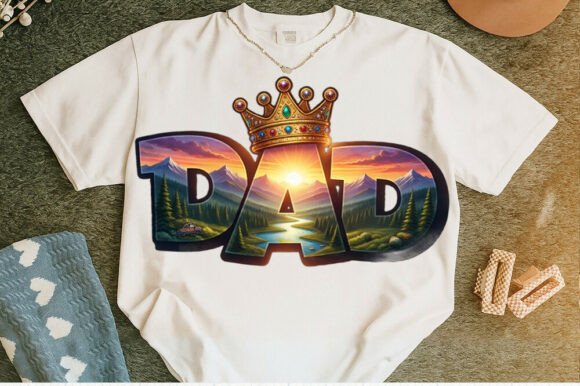
The first thing that strikes me about this piece is its thematic clarity. It captures a specific mood—rugged, relaxed, and outdoorsy—that resonates deeply with the current market for personalized men’s apparel. The layout suggests a scene that likely involves natural elements, perhaps trees, mountains, or camping motifs, centered around the bold typography of "DAD." For an embroidery project, this combination of text and imagery is classic. It appeals to customers looking for a personalized gift that feels thoughtful rather than generic.
From a visual personality standpoint, the design feels grounded. It does not rely on overly intricate details that might get lost in translation from digital Graphics to thread. Instead, it leans into strong shapes and clear lines. This is crucial because embroidery is a tactile medium. Unlike printing, where you can achieve infinite gradient smoothness, embroidery relies on the interplay of thread colors and stitch direction. The outdoor theme naturally lends itself to earth tones—greens, browns, blues, and greys—which are generally forgiving and popular in custom apparel.
Real-World Application: The Sweatshirt Test
To truly evaluate this design, I imagined applying it to a heavy cotton blend sweatshirt, a staple item for any small shop product line. When working with thicker fabrics, the stability of the design is paramount. The Dad Shirt Outdoor Scene DAD Graphic Tee appears to have a balanced composition. If the background elements are too dense, they can cause puckering, especially on stretchy fabrics. However, if the design utilizes open spaces effectively, it allows the fabric to breathe.
I also considered its use on a canvas tote bag design. Tote bags are rigid and handle high-density stitching well. A design like this could serve as a fantastic centerpiece for a father’s day promotion or a birthday gift. The key here is scale. On a tote, you want the design to be large enough to make an impact but not so large that it distorts the bag’s structure when filled with groceries or books. The provided file dimensions of 4500x5400 pixels at 300 DPI suggest a high-resolution source image, which is excellent for creating crisp printable mockup previews for your online store, even if the final output is stitched.
Technical Considerations for Stitching
Here is where we need to talk specifics. The product description notes that you receive one PNG file. It is vital to understand that a PNG is a raster image, not a native embroidery file format like PES, DST, or EXP. This means you cannot simply load this PNG into your embroidery machine. You must use digitizing software to convert the graphic into stitches. This is a critical distinction for Etsy sellers and digital product sellers.
If you are digitizing this yourself, pay close attention to the stitch density. Outdoor scenes often contain foliage or textured backgrounds. If you attempt to fill these areas with solid fill stitch patterns, you will end up with a stiff, cardboard-like patch on the garment. Instead, consider using a combination of satin stitch for the lettering and borders, and perhaps a running stitch or light fill for background elements to keep the hand of the fabric soft. For the "DAD" text, ensure the letters are wide enough to support a satin stitch without snagging. Thin letters should be converted to single-line running stitches or triple-stitches for durability.
Another factor is the hoop size. Before starting, measure your design against your machine’s maximum hoop capacity. If the scene is wide, you might need a 5x7 or 6x10 hoop. Always check the aspect ratio. If you resize the design disproportionately to fit a smaller hoop, the text may become illegible, and the details may merge into a blob of thread.
Fabric and Stabilizer Choices
The success of this design depends heavily on your choice of stabilizer. For a t-shirt or baby clothes, a cut-away stabilizer is non-negotiable to prevent distortion after washing. For woven fabrics like aprons or pillow covers, a tear-away might suffice, but given the likely complexity of an outdoor scene, a cut-away provides better long-term integrity.
Be cautious with dark fabrics. If the design includes light-colored elements, you may need to use a white underlay or even an applique design technique where you stitch down a piece of fabric instead of filling the area with thread. This reduces bulk and saves time. Always test your thread tension on a scrap piece of the same fabric. What looks good on screen might pull or loop on textured materials like fleece or towel.
Commercial Viability and Brand Consistency
For commercial embroidery professionals, consistency is key. Using a high-quality source image like this allows for professional-grade design assets in your marketing. You can create realistic mockups that show potential buyers exactly what the finished product will look like. This builds trust and reduces return rates.
However, always verify licensing. The description mentions favoriting the store, but it does not explicitly state commercial usage rights for the digitized embroidery file. If you plan to sell items made with this design, ensure you have the right to use the underlying graphic for commercial purposes. Many designers offer different licenses for personal vs. commercial use. Never assume; always check.
Final Verdict for Makers
The Dad Shirt Outdoor Scene DAD Graphic Tee is a strong candidate for spring and summer collections, particularly for fathers’ day or birthday campaigns. Its strength lies in its emotional appeal and versatile theme. However, its success relies entirely on proper digitization and material selection. Do not rush the conversion from PNG to stitch file. Take the time to adjust densities, choose appropriate thread colors, and test on scrap fabric.
For hobbyists and makers, this design offers a rewarding challenge. It allows you to experiment with texture and color blending. For boutique branding, it adds a touch of rugged elegance that stands out from typical minimalist designs. Just remember: embroidery is subtractive and additive art combined. You are adding thread, but you are also piercing fabric. Respect the material, respect the machine, and this design will serve your business well.
Before you commit to a large batch, stitch one sample. Wash it. Dry it. Check for puckering. If it holds up, you have a winner. If not, adjust your stabilizer or density. That is the reality of professional embroidery project management. Happy stitching!