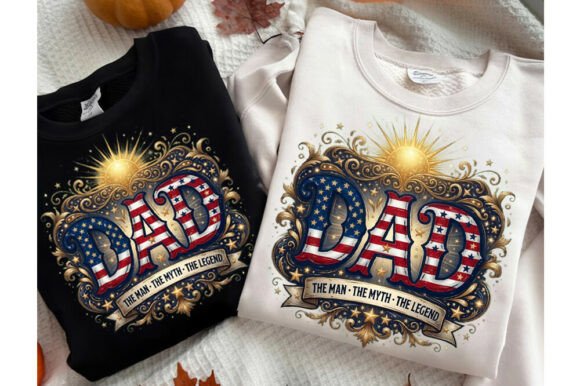
Vintage Dad PNG: A Designer’s Embroidery Review
As an embroidery designer who has spent years digitizing files and testing them on everything from stiff denim to delicate knits, I approach every new graphic with a critical eye. We are not just looking for pretty pictures; we are looking for stitchability, clarity, and commercial viability. Today, I am evaluating the Dad Png, Vintage Fathers Day T-shirt design. This is not a standard machine embroidery file like a PES or DST, but a high-resolution PNG graphic intended for print or as a reference for custom digitizing. Understanding how this specific asset translates into a tangible handmade product requires a different set of considerations than reviewing a pre-digitized embroidery file.
First Impressions: Mood and Visual Personality
The immediate appeal of the Dad Png, Vintage Fathers Day T-shirt lies in its aesthetic restraint. In a market saturated with loud, overly complex graphics, this design leans into the "vintage" trend that continues to dominate T-Shirt Designs and Graphics. The visual personality suggests nostalgia, warmth, and a casual, lived-in feel. For an embroidery project, this is promising. Vintage-style designs often tolerate slight imperfections in stitching better than ultra-modern, geometric vectors because the distressed look can mask minor tension issues or fabric puckering.
When I visualize this on a garment, I see it working best on natural fibers. The mood it creates is one of relaxed comfort, making it ideal for a father who values substance over flash. It does not scream for attention; rather, it invites a closer look. This subtlety is crucial for high-end custom apparel where the goal is to create a piece that feels curated rather than mass-produced.
Real-World Application: From Screen to Stitch
Let’s consider a realistic scenario. Imagine you run a small craft business specializing in personalized gifts for Father’s Day. A client requests a custom sweatshirt embroidery for their husband, who loves classic cars and old-school rock. You decide to use the Dad Png, Vintage Fathers Day T-shirt as the central motif. Since this is a PNG and not a native embroidery format, you have two paths: direct printing (DTG) or using it as a template to create a custom digitized version.
If you choose to digitize this graphic yourself or hire a digitizer, the vintage texture offers a unique advantage. You can utilize a combination of fill stitch for the heavier areas and running stitch for the outlines to mimic the worn look of the original graphic. This approach reduces stitch density, which is vital for comfort on a sweatshirt. A dense block of satin stitches might feel stiff and heavy, whereas a lighter, textured approach maintains the garment's drape. The result is a finished product that looks professional and feels premium.
Alternatively, if you are using this for a hybrid project—such as a printed patch that is then appliquéd onto a tote bag design—the 300 DPI resolution is sufficient. The 4500×5400 pixel dimensions provide enough detail to scale the image down for a chest pocket logo or up for a full-back print without losing clarity. This versatility makes it a valuable asset for Etsy sellers who need to create multiple product variations from a single purchase.
Navigating Technical Constraints
While the design is visually strong, there are practical limitations to consider. Because this is a raster image (PNG) and not a vector or native embroidery file, you cannot simply load it into your embroidery machine. You must convert it. This step introduces potential pitfalls. Tiny details in the vintage distressing may turn into chaotic, thread-heavy messes if auto-digitized poorly. I strongly advise against using automatic conversion tools for this type of graphic. Instead, manually trace the key elements to ensure clean pathing.
Pay close attention to hoop size. If you plan to place this on a cap or a curved surface, the width of the design must fit within a standard cap frame, typically around 2.5 to 3 inches in height. The vertical orientation of the 4500×5400 canvas suggests it may be taller than it is wide, which is perfect for left-chest placements on shirts or vertical layouts on aprons. However, if the design includes fine lettering, ensure that the text is large enough to be legible when stitched. Small, intricate fonts often get lost in embroidery, especially on textured fabrics like terry cloth towels or fleece.
Fabric choice is another critical variable. On dark fabrics, you will need to consider underlay stitches and potentially a white base layer to make the colors pop. The vintage color palette likely includes muted tones, which can blend into heather gray or navy fabrics if contrast is not carefully managed. Always test your thread colors against the fabric swatch before committing to the final embroidery project.
Commercial Value and Brand Consistency
For small shop products and boutique branding, consistency is key. The Dad Png, Vintage Fathers Day T-shirt fits seamlessly into a cohesive collection of holiday-themed items. Whether you are creating holiday embroidery for Christmas or focusing specifically on Father’s Day, this design helps establish a recognizable brand aesthetic. Customers trust shops that present a unified visual language. Using high-quality design assets like this ensures that your printable mockup images look professional, which directly influences buyer engagement and conversion rates.
Moreover, the versatility of this graphic extends beyond apparel. Consider using it for home decor items like pillow covers or kitchen towels. A vintage dad motif on a linen tea towel makes for a thoughtful, unique gift that stands out from generic store-bought options. The perceived value of such a personalized gift is significantly higher when the design feels intentional and well-executed.
Practical Designer Notes
Before you integrate this design into your workflow, keep these practical tips in mind:
- Test on Scrap Fabric: Always stitch out a sample on the same type of fabric you intend to use for the final product. This helps you identify any pulling or puckering issues.
- Check Thread Contrast: Ensure your thread colors provide sufficient contrast against the fabric background, especially for vintage muted tones.
- Review Stitch Density: If digitizing, keep the density moderate to maintain fabric softness and prevent stiffness.
- Confirm Hoop Size: Measure your hoop capacity and scale the design accordingly to avoid cropping or distortion.
- Inspect Small Details: Simplify overly complex distressed areas to prevent thread breaks and excessive trimming.
- Use Proper Stabilizer: Choose a stabilizer that complements the fabric weight. Cut-away stabilizers are generally best for stretchy knits, while tear-away works for woven cottons.
- Verify Licensing: Although the product description mentions commercial use implications indirectly by targeting sellers, always confirm the specific license terms for the PNG file to ensure you are compliant when selling finished items.
In conclusion, the Dad Png, Vintage Fathers Day T-shirt is a solid foundation for creative projects. It offers the flexibility needed for both print and embroidery applications, provided you handle the conversion process with care. For commercial embroidery professionals and hobbyists alike, it represents a versatile tool in your design arsenal. By understanding its strengths and respecting its technical constraints, you can create standout pieces that resonate with customers and elevate your brand.