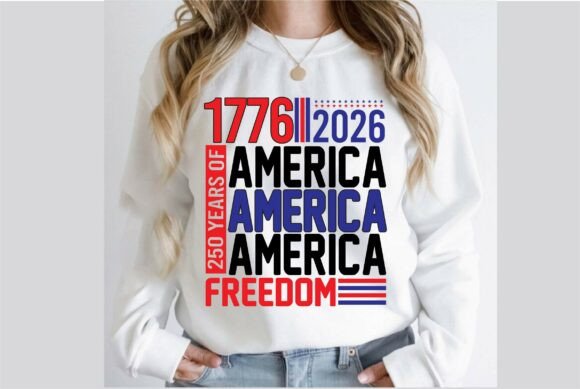
Reviewing 1776 2026 USA 250 Years of Freedom for Embroidery
As a designer who spends more time staring at stitch maps than finished garments, I approach every new machine embroidery design with a mix of curiosity and caution. We have all been there: you download a file that looks stunning on the screen, only to find it turns into a puckered mess or an illegible blob once the needle hits the fabric. That is why I took a close look at 1776 2026 USA 250 Years of Freedom. This is not just another patriotic graphic; it is a commemorative piece marking a significant milestone, and its execution matters deeply for anyone planning to sell custom apparel or handmade products in the coming year.
First Impressions and Visual Personality
The first thing that strikes me about 1776 2026 USA 250 Years of Freedom is its balanced layout. Patriotic designs often suffer from clutter, trying to cram too many stars, stripes, and eagles into a small space. However, this design feels intentional. The typography likely plays a central role, anchoring the dates that define this historical span. For an embroidery project, this structural clarity is vital. When I visualize this stitched out, I am looking for clean lines in the lettering and distinct separation between elements. If the design relies heavily on intricate details, it requires precise digitizing to ensure the stitch density does not overwhelm the fabric.
The mood here is celebratory yet respectful. It fits perfectly into the category of heritage and pride. For Etsy sellers and craft business owners, this means the design has a long shelf life. It is not a fleeting trend but a marker of a specific, major anniversary. This longevity adds value to your design assets, allowing you to plan inventory well in advance of the 2026 celebrations.
Real-World Application: The Sweatshirt Test
To truly evaluate a design, you must imagine it on a actual product. I pictured 1776 2026 USA 250 Years of Freedom centered on the chest of a high-quality, heather grey crewneck sweatshirt. This is a bestseller for many small shop products. In this scenario, the design needs to be large enough to be readable but not so dense that it makes the garment stiff.
If this were a T-Shirt Designs graphic intended for print, the resolution provided in the Graphics package would be key. The inclusion of print-ready files like PNG at 4500×5400 pixels at 300 dpi suggests that the creator understands the need for versatility. You might use the vector formats, such as SVG or EPS, to create a hybrid product: perhaps a printed background with embroidered accents. This approach can reduce stitch count and production time while maintaining a premium look. However, if you are going for full embroidery, the fill stitch areas need to be smooth. I would recommend testing the design on a scrap piece of similar weight fabric to check for pull. A heavy stabilizer will be non-negotiable here to keep the neckline from warping.
Versatility Across Product Lines
Beyond sweatshirts, where else does this design shine? I see strong potential for tote bag design applications. A canvas tote with this emblem stitched in bold red, white, and blue thread creates a functional personalized gift for history buffs or teachers. The flat surface of a tote bag is forgiving for larger designs, allowing the details of the "250 Years" text to remain crisp.
For those interested in embroidered patch creation, this design could be scaled down effectively, provided the smallest text remains legible. Patches are a huge market for commercial embroidery because they can be applied to hats, jackets, and bags after production. If you choose this route, pay attention to the border. A satin stitch border can frame the design nicely, but it must be tight and uniform.
I also considered baby embroidery items, such as a onesie or a nursery pillow cover. Here, caution is required. The theme is historical, which might appeal to grandparents looking for a holiday gift or a heirloom item. However, ensure the thread colors are baby-safe and the backing is soft. You might need to resize the design significantly to fit the smaller hoop size typical for infant garments. Always check the scale before committing to the final stitch-out.
Technical Considerations and File Formats
The product description notes that you receive files in AI, PDF, SVG, JPG, PNG, and EPS formats. This is a robust set for a digital embroidery file package, particularly for those who mix media. The AI and EPS files are invaluable for scaling without loss of quality, which is crucial if you are creating mockups or resizing for different hoop sizes. The PDF likely contains instructions or licensing terms, which you must read carefully.
One critical note for embroidery machines: while these formats are excellent for printing and cutting, ensure you have the specific machine-readable format (such as PES, DST, or JEF) if this package is intended strictly for embroidery machines. Sometimes, "embroidery design" packages include the source art but require you to digitize it yourself, or they include a separate folder for machine files. Since the description highlights vector and raster graphics, verify if native machine files are included or if this is primarily a sublimation and print-ready pack that can be adapted for embroidery by a digitizer. If it is purely graphic-based, you will need to convert it using your preferred digitizing software, paying close attention to running stitch paths for outlines and satin stitch widths for text.
Navigating Fabric and Color Challenges
Working with patriotic themes means working with high-contrast colors. Red, white, and blue look iconic, but they can be tricky on certain fabrics. On dark navy fabric, the white and red will pop, but the blue elements might disappear. I always advise running a test on both light and dark backgrounds. If the design lacks sufficient contrast in its blue tones, consider swapping the thread color for a lighter shade or adding a white underlay to make the blue stand out.
Texture is another factor. On a textured towel or a rough canvas, fine details can get lost. The 1776 2026 USA 250 Years of Freedom design should be evaluated for its level of detail. If it features thin lines or small serifs in the font, it may not translate well to highly textured fabric texture surfaces. In such cases, simplifying the design or increasing the stitch density slightly can help fill in gaps. Conversely, on stretchy fabrics like jersey knits, excessive density can cause tunneling. Use a cut-away stabilizer for knits to provide lasting support.
Final Verdict for Makers and Sellers
From a professional standpoint, 1776 2026 USA 250 Years of Freedom offers a solid foundation for commemorative merchandise. Its strength lies in its relevance and clear thematic focus. For apparel decorators and creative entrepreneurs, it provides a ready-made asset that taps into a national conversation.
My advice is to treat this design as a starting point. Customize the thread colors to match your brand palette, experiment with placement on unconventional items like aprons or capes, and always, always stitch a test sample. Check the licensing terms included in the zip file to confirm you can use the finished products for commercial sales. With proper preparation and attention to stitch quality, this design can become a standout item in your 2026 collection, offering customers a tangible piece of history they can wear and cherish.