Reviewing Cute School Supplies Clipart for Stitching
As a designer who spends half my life digitizing and the other half stitching, I have learned that not every cute graphic translates well to thread. When I first pulled up the Cute School Supplies Clipart Set, my initial reaction was one of cautious optimism. The kawaii aesthetic is incredibly popular right now, especially in the niche of kids' stationery and classroom decor, but translating vector lines into a durable machine embroidery design requires a keen eye for detail. This isn't just about how it looks on a screen; it is about how those smiling backpacks and cheerful pencils hold up under the needle.
First Impressions and Visual Personality
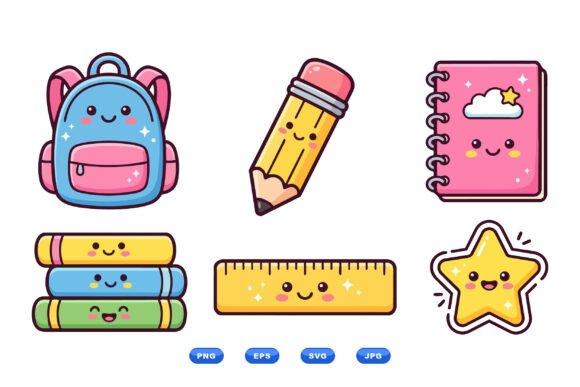
The set features a playful collection including a smiling backpack, pencil, notebook, ruler, and star. What stands out immediately is the bold, sticker-style outline. For an embroidery project, this is a double-edged sword. On one hand, thick outlines are forgiving and provide great definition. On the other, they can look heavy if the stitch density is not managed correctly. The mood is undeniably cheerful and approachable, making it a strong candidate for products targeting children or anyone with a love for nostalgic, youthful aesthetics. As part of the broader category of Illustrations and Graphics, these assets are designed to be versatile, but we need to determine if that versatility survives the transition from digital file to physical thread.
Real-World Application: The Custom Tote Bag Test
To truly evaluate this set, I imagined a specific real-life scenario: creating a back-to-school promotional item for a local boutique. The goal was a custom embroidered tote bag. Tote bags are typically made from canvas or heavy cotton, which provides a stable base for embroidery. I visualized placing the smiling notebook and pencil side-by-side on the front panel. The simplicity of the shapes works in our favor here. Complex gradients do not translate well to thread, but the flat, bold colors of this kawaii style do.
When considering this for a tote bag design, the clarity of the subject matter is crucial. A customer glancing at a display table needs to recognize the image instantly. The distinct shapes of the ruler and star offer high recognition value. However, I would be careful with the spacing. If the elements are too close, the fabric might pucker between the designs. In a real production run, I would likely separate these elements rather than stitching them as one massive cluster, allowing each icon to breathe. This approach also makes the design more flexible for different product sizes.
Fabric Considerations and Stitching Challenges
One of the most critical aspects of using any new embroidery file is understanding how it interacts with different textiles. While this set looks adorable on paper, its performance varies significantly depending on the substrate. For sweatshirt embroidery, the plush texture of fleece can swallow small details. The smiling faces on the backpack and pencil need to be large enough so that the eyes and mouths do not get lost in the nap of the fabric. I would recommend using a higher contrast thread color for the facial features to ensure they remain visible.
Conversely, when applying this to baby embroidery projects, such as onesies or bibs, the softness of the fabric is a concern. Baby clothes are often made from thin, stretchy knits. Without proper stabilization, the weight of the stitches could cause the garment to warp. Using a cut-away stabilizer is non-negotiable here. Additionally, the "sticker" style border might require a satin stitch or a dense running stitch. If the digitizer has used a wide satin stitch for the outlines, it might be too stiff for a baby's sensitive skin. Always check the stitch type before committing to a final product.
For curved surfaces like caps, the design needs to be narrow. The ruler, being long and thin, might work well along the curve of a cap brim or front panel, but the square notebook might distort if not centered perfectly. This is where testing on scrap fabric becomes essential. Never skip the test stitch. It saves you from ruining expensive blanks and helps you adjust tension settings before starting the actual finished product.
Commercial Viability for Etsy Sellers and Crafters
For Etsy sellers and small shop owners, the appeal of the Cute School Supplies Clipart Set lies in its trendiness. Back-to-school season is a huge revenue driver for craft businesses. These designs fit perfectly into the current market demand for personalized, handmade items. Whether you are selling custom apparel, patches, or home decor, the kawaii style has broad appeal.
However, commercial success depends on execution. A poorly stitched design looks amateurish, regardless of how cute the original graphic was. To maintain brand consistency and professionalism, ensure that your thread colors match the vibrancy of the original vector. Pastel threads might look washed out, while neon threads could look cheap. Stick to classic, bright primary colors for that authentic school supply look. Furthermore, consider offering these as part of a bundle. An embroidered patch featuring the star and pencil could be sold alongside a matching notebook cover, increasing the average order value.
It is also worth noting the licensing aspect. Since this listing comes as a digital asset, you must confirm whether the license allows for commercial use of the finished physical items. Most designers allow you to sell the stitched products, but reselling the digital file itself is usually prohibited. Always read the terms carefully to protect your business.
Technical Notes for the Embroiderer
Before you load this design into your machine, take a moment to review the technical specifications. Since the exact stitch count and file formats are not detailed in the brief description, you will need to check the download package. Look for formats compatible with your machine, such as PES, DST, or JEF.
- Check Hoop Size: Ensure the design fits within your standard hoops. A 4x4 inch hoop is common for small motifs like these, but verify the dimensions.
- Thread Color Contrast: Test the design on both light and dark fabrics. You may need to add an underlay or change thread colors to maintain visibility on black or navy materials.
- Density Check: If the design feels stiff after stitching, the density might be too high. Consider removing some fill stitches if you have editing software, or choose a lighter fabric weight.
- Small Details: Inspect the tiny stars and pencil tips. If they are too small, they may break or unravel after washing. Simplify these areas if necessary.
Final Verdict on Design Utility
The Cute School Supplies Clipart Set is a promising asset for designers looking to tap into the youth and education markets. Its strength lies in its clear, bold shapes and cheerful personality. However, its success in a real-world embroidery project depends entirely on the maker's attention to detail. By choosing the right fabric, using appropriate stabilizers, and testing stitch outcomes, you can transform these simple graphics into high-value handmade products. Whether you are creating holiday gifts, classroom rewards, or boutique merchandise, this set offers a solid foundation for creative expression. Just remember that the difference between a good product and a great one is often found in the subtle adjustments made during the stitching process.