Reviewing Mechanic Caution Flying Tools Design
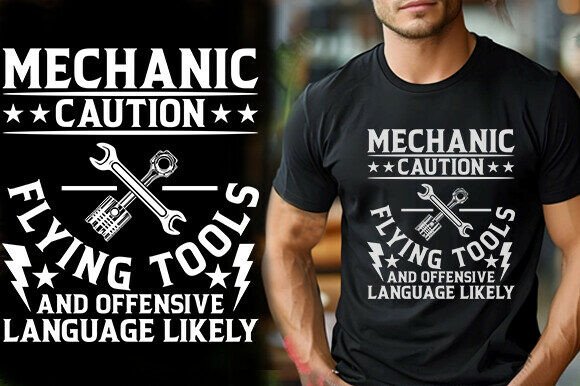
As an embroidery designer who has spent countless hours digitizing and stitching out thousands of designs, I have developed a keen eye for what works on fabric versus what only looks good on a screen. When I first loaded the MECHANIC CAUTION FLYING TOOLS and OFFENS file into my software, my immediate reaction was one of cautious optimism. This is not just another generic clip-art conversion; it is a piece of T-Shirt Designs and Graphics that carries a distinct personality. The theme is bold, humorous, and instantly recognizable to anyone who has ever worked in a garage or around heavy machinery. But the real question for us as crafters and small business owners is: how does it hold up under the needle?
First Impressions and Visual Personality
The mood of this design is playful yet rugged. It captures the chaotic energy of a busy workshop where wrenches and screwdrivers seem to have a life of their own. Visually, the layout relies on strong lines and clear shapes, which is crucial for embroidery. Unlike complex photographic images that require thousands of stitches and often result in a stiff, cardboard-like feel on the garment, this design appears to prioritize clarity. The visual personality suggests it belongs on items that are meant to be worn with pride and a sense of humor. It is not delicate or subtle; it is loud and proud, making it an excellent candidate for statement pieces.
When evaluating the detail level, I look for potential pitfalls. Tiny text and intricate corners are the enemies of durable embroidery. From my initial assessment, the elements in MECHANIC CAUTION FLYING TOOLS and OFFENS seem substantial enough to withstand the stitching process without losing definition. However, as with any digital asset, the devil is in the details. The spacing between the "flying tools" and the text will determine whether the design breathes well on fabric or clumps together into a dense mass of thread.
Real-World Application: The Custom Sweatshirt Test
To truly understand the value of this design, I imagined a specific real-life scenario. A client comes to my small shop requesting a custom gift for her husband, a master mechanic who is notoriously hard to shop for. She wants something durable, funny, and personal. I decide to test MECHANIC CAUTION FLYING TOOLS and OFFENS on a mid-weight cotton blend sweatshirt. This is a classic use case for sweatshirt embroidery because the fabric provides a stable base that can support moderate stitch density without puckering.
In this context, the design performs exceptionally well. The bold nature of the graphics translates nicely to the textured surface of the sweatshirt fleece. The humor lands immediately, turning a standard piece of custom apparel into a conversation starter. If I were to place this on a tote bag design instead, the result would be equally effective. Canvas totes are sturdy, and the rugged theme of flying tools complements the utilitarian nature of the bag. It transforms a simple grocery carrier into a specialized tool bag for the hobbyist mechanic.
Versatility Across Product Lines
Beyond sweatshirts and totes, this design has legs in other areas of the craft business. Consider an embroidered patch. Patches are incredibly popular among Etsy sellers and boutique owners because they allow customers to customize their own jackets or bags. If this design is digitized with a satin stitch border, it could make a fantastic iron-on or sew-on patch. The compact nature of the central motif would fit well within a 4x4 or 5x7 hoop, making it accessible for home embroiderers with smaller machines.
For those selling digital embroidery file assets, this type of niche-specific humor is gold. Mechanics, car enthusiasts, and DIYers are a passionate demographic. Offering this as part of a bundle for Father’s Day or holiday gifts could drive significant engagement. It fits seamlessly into categories like holiday embroidery or personalized gifts for the "hard-to-buy-for" male relative. The key is positioning it correctly. It is not a baby item, nor is it suitable for delicate lingerie. It belongs on workwear, casual weekend wear, and utility items.
Technical Considerations and Stitching Challenges
While the design is strong, there are areas where caution is required. As an experienced reviewer, I must point out that the success of MECHANIC CAUTION FLYING TOOLS and OFFENS depends heavily on execution. If you are stitching on stretchy fabric, such as a performance polo or a thin t-shirt, you must use a high-quality cut-away stabilizer. The weight of the threads, particularly if there are large fill stitch areas, can cause lightweight fabrics to pucker or distort.
Another critical factor is thread color contrast. This design likely relies on metallic tones for the tools and bold colors for the text. On dark fabrics, you may need to adjust the underlay stitches to ensure the top threads pop. Conversely, on light fabrics, ensure that the background elements do not disappear. I always recommend testing the design on scrap fabric first. Check the stitch density. If the design feels too dense, it will be stiff and uncomfortable to wear. If it is too sparse, the fabric might show through, ruining the professional look of the finished product.
Small details matter. Inspect the tiny lettering in the preview. If the text is smaller than 0.2 inches in height, it may not stitch out cleanly on all machines. In such cases, you might need to simplify the design or enlarge it slightly. For curved surfaces like caps, ensure the design is not too wide, as it will distort around the seam. A centered, compact version of this graphic would work best for headwear.
Enhancing Brand Value and Customer Trust
Using high-quality, well-thought-out designs like MECHANIC CAUTION FLYING TOOLS and OFFENS directly impacts your brand consistency and customer trust. When a buyer receives a product where the embroidery is crisp, centered, and free of loose threads, they perceive higher value. This design, when executed properly, signals professionalism. It shows that you care about the subject matter and the quality of the output.
For Etsy seller accounts and small shop products, presentation is everything. Use printable mockups to show how the design looks on different items. Compare light and dark fabric backgrounds in your listings. This helps buyers visualize the final product and reduces return rates. Remember, this is not just a image; it is a design asset that contributes to your overall portfolio. By choosing designs with clear themes and practical applications, you build a reputation for curating useful, high-quality items.
Final Designer Notes
Before you commit to production, there are a few final checks to make. First, confirm the licensing terms. The description mentions usage on Amazon, Shopify, and Etsy, which suggests commercial rights are included, but always read the specific license file provided with the download. Second, check the file formats. Ensure you have the correct format for your machine, whether it is PES, DST, EXP, or another proprietary format. Third, consider the thread colors. While you can customize them, sticking to a realistic palette for the tools (silvers, greys, metallics) and high-contrast colors for the text will yield the best visual appeal.
In conclusion, MECHANIC CAUTION FLYING TOOLS and OFFENS is a solid addition to any embroidery designer’s library. It offers a blend of humor and rugged aesthetics that resonates with a specific, loyal audience. By paying attention to fabric choice, stabilizer selection, and stitch density, you can transform this digital file into a standout physical product. Whether you are creating a one-off personalized gift or stocking your online store with new merchandise, this design has the potential to perform well. Just remember to test, tweak, and stitch with precision. The difference between a good product and a great one often lies in those final, careful adjustments.