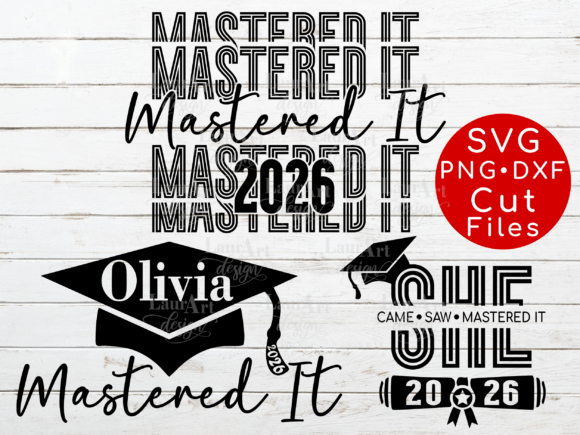
Reviewing the Flying Graduation Hats Overlay
As a designer who spends more time staring at stitch maps than actual fabric, I have learned that not every cute graphic translates well to thread. When I first pulled up the Flying Graduation Hats Overlay Grad Cap files, my initial reaction was one of cautious optimism. The concept is undeniably charming—a whimsical take on the traditional graduation cap that suggests movement, celebration, and a bit of lightheartedness. But charm does not always equal stitchability. I needed to know if this design would hold up under the needle, especially when applied to real-world products for clients who expect durability and professional finish.
First Impressions: Mood and Visual Personality
The visual personality of this design leans heavily into joy. Unlike static, formal graduation imagery, the "flying" aspect adds dynamic energy. For an embroidery project, this is crucial because static shapes can sometimes look stiff when stitched out. The overlay style suggests layering, which immediately made me think about how this could interact with different fabric textures. It feels modern and playful, making it a strong candidate for younger demographics or informal celebratory items. It does not scream "institutional ceremony"; instead, it whispers "party," which is exactly what many customers are looking for when buying personalized gifts for graduates.
Real-World Application: Beyond the Screen
To truly evaluate the Flying Graduation Hats Overlay Grad Cap, I imagined placing it on several common substrates. My primary test case was a custom embroidered tote bag. Tote bags are staples for craft fairs and Etsy sellers, but they present challenges due to their woven texture. I envisioned this design sitting centrally on a canvas bag. The open spaces in the "flying" elements would allow the fabric texture to breathe, preventing the dreaded "cardboard effect" where too much stitching makes the fabric rigid.
I also considered its use in custom apparel, specifically sweatshirt embroidery. A heather grey crewneck with this design on the left chest or as a larger back piece could be a bestseller for high school seniors. The design’s layout seems balanced enough to work as a standalone graphic without needing excessive text clutter. For baby embroidery, such as a onesie or a keepsake blanket, the whimsical nature fits perfectly. However, scale becomes the enemy here. What looks delightful at four inches might become a muddy mess at two inches. This is where the reviewer’s eye must be critical: does the detail level survive reduction?
Technical Considerations for Embroidery Designers
When working with any digital embroidery file, understanding the stitch types is paramount. While I do not have the exact stitch count for this specific zip folder, the visual complexity suggests a mix of fill stitches for the cap body and potentially satin stitch or running stitch for the outlines and tassels. If you are using this as an applique design, you must check if the files include placement, tack-down, and cut lines. If it is a standard filled design, pay close attention to stitch density. High density on stretchy fabric like a t-shirt will cause puckering unless you use the correct stabilizer.
Speaking of stabilizer, this design likely requires a medium-weight cut-away stabilizer for garments that will be washed frequently, such as t-shirts and sweatshirts. For tote bags or pillow covers, a tear-away might suffice, but given the potential for detailed corners in the hat’s shape, I would lean toward cut-away to maintain structural integrity. Always test the design on scrap fabric first. This is non-negotiable. Check how the thread colors contrast against your chosen fabric. A dark navy thread on a black shirt will vanish, while a bright gold on white might look too harsh if the digitizing lacks proper underlay stitching.
Navigating Fabric and Hoop Constraints
One area where the Flying Graduation Hats Overlay Grad Cap requires careful handling is on curved surfaces like caps. Embroidering on a structured cap is different from flat fabric. The design’s width must fit within your hoop size without distorting the brim. If the design is wide, it may not wrap nicely around the front panel of a standard baseball cap. I recommend measuring your hoop area and comparing it to the design dimensions before purchasing or stitching.
Textured fabrics also pose a risk. If you are stitching this on a waffle-knit towel or a rough linen, fine details may get lost. In such cases, simplifying the thread palette and using thicker threads might help the design pop. Conversely, on smooth, thin fabrics like silk or lightweight polyester, you must ensure the stitch density is not so high that it perforates the material. Always inspect small details in the preview. Tiny lettering or intricate corners can turn into thread nests if the machine tension is not perfectly calibrated.
Commercial Viability and Brand Consistency
For Etsy sellers and small shop owners, the appeal of this design lies in its versatility. It fits neatly into the category of holiday embroidery and milestone gifts. Graduation season is a peak revenue period for many craft businesses. Having a design that stands out from the generic "Class of 2024" text-heavy options can give your brand a unique voice. The Flying Graduation Hats Overlay Grad Cap offers a graphical alternative that can be paired with names, dates, or school mascots, provided you have the commercial rights to modify or combine it.
However, professionalism is key. A sloppy stitch-out damages customer trust. Before listing this as a finished product or using it in printable mockups, ensure the final result is clean. Trim all jump threads, press the garment properly, and photograph it in good light. Buyers engage with images that show texture and quality. If you are selling this as part of a bundle of design assets, clarify whether it is for personal or commercial use. The product description mentions it is a digital item with SVG, DXF, and PNG formats, which suggests it may also be used for cutting machines or print-on-demand services, not just embroidery. Always confirm licensing terms before selling.
Final Verdict for Makers and Designers
The Flying Graduation Hats Overlay Grad Cap is a promising addition to your library of T-Shirt Designs and graphics, provided you approach it with a technician’s mindset. It is not just a cute image; it is a construction plan for thread. Its success depends on your choice of fabric, stabilizer, and thread colors. It shines best on medium-weight cottons and blends, where the stitch definition can be clearly seen without overwhelming the material.
For those creating handmade products, this design offers a fresh take on a traditional theme. It allows for creativity in placement and colorway. Whether you are making an embroidered patch for a jacket, a decorative accent on a pillow cover, or a centerpiece for a boutique graduation gift set, this design has the potential to elevate your work. Just remember: test, adjust, and respect the limitations of your machine. When done right, the result is a professional, engaging piece that celebrates achievement with style and precision.